
Links
Digital Archive “Forced Labor 1939–1945”
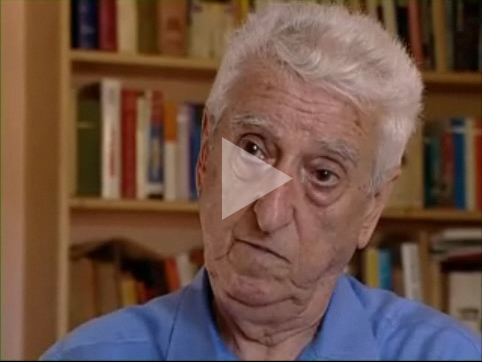
The Witnesses Remember
Since the 1980, there has been increasing public willingness to attend to the testimony of forced labor survivors. In the years since, many survivors have recounted their experiences of forced labor and its aftermath in oral interviews and written accounts.
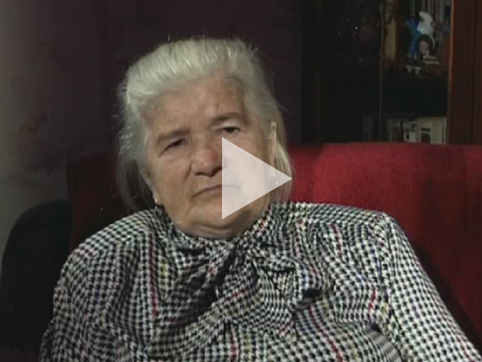
“I am a piece of living history. People still frequently ask me questions. I am waiting for my great-granddaughter to grow up so that I can tell her everything myself. So that I preserve everything for the future, for it to be carried on through the centuries.”
Olga Djatschenko, born in Belarus in 1925, was deported in October 1942 to work in the armaments industry.
Source: Digital Archive “Forced Labor 1939–1945”
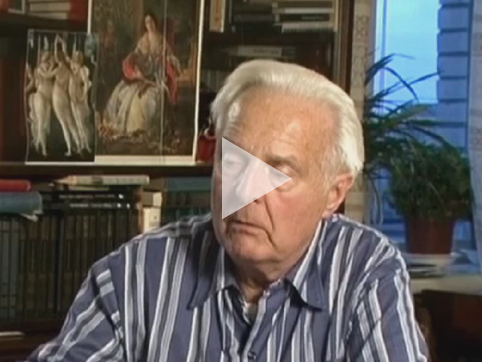
“After the liberation we came to our side to the Red Army. They took us in, but not in a friendly manner. I was eighteen years old at that time; I had been fifteen when the war started. I was drafted into the army.”
Yakov Nepochatov, born in Ukraine in 1926, was deported to Germany in 1942. He escaped from his workplace and was imprisoned in Mittelbau-Dora Concentration Camp.
Source: Archiv der KZ-Gedenkstätte Mittelbau-Dora
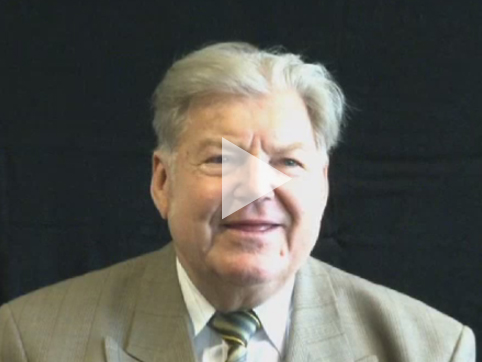
“If you don´t record it as it is, then it never happened; if you don´t tell the story, it is as if it never happened.”
In 1944, 14-year-old Zahava Stessel was deported to Auschwitz as a Hungarian Jew, and forced to work at Junkers.
Source: Digital Archive “Forced Labor 1939–1945”
“What is there to be ashamed of?! Whose fault was it? Did I want to go to Germany? Did somebody ask me to go there to help the Germans?! They just dragged me there.”
Sergej Bogdanov who was born in Leningrad in 1926, had to work for the “Junkers” company from 1942.
Source: Digital Archive “Forced Labor 1939–1945”
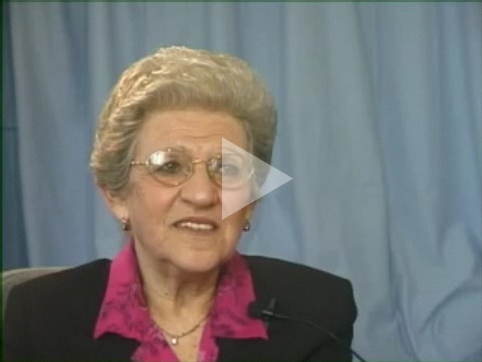
“As much time has passed since the events which I am telling you about, there is no longer this pain, the anger about the people who insulted you. Bad things are left to one side and many good things remain. If I now start talking, you can get the impression that it was not so bad at all there, but in reality: Merely the fact of being deported, the lack of freedom, forced labor and hunger – that was dreadful.”
Sinaida Baschlaj, former Ukrainian forced laborer.
Source: Digital Archive “Forced Labor 1939–1945”
“First there was the fear ... There were two basic elements there. One of them was food and the other was to ask when it will be all over.”
Victor Laville had to work in the German armaments industry from 1943 to 1945.
Source: Digital Archive “Forced Labor 1939–1945”